What Are Tocotrienols?

The lesser-known members of the vitamin E family

Vitamin E is not a single substance. It is a family of eight naturally occurring compounds:

  • Alpha-, beta-, gamma- and delta-tocopherol

  • Alpha-, beta-, gamma- and delta-tocotrienol

Most familiar vitamin E supplements contain alpha-tocopherol. Tocotrienols belong to the same family, but their molecular structure and behavior are different.

Tocopherols and tocotrienols

Both groups have an antioxidant portion known as a chromanol ring. The main difference is found in their molecular tails.

Tocopherols have a saturated tail, while tocotrienols have an unsaturated tail containing three double bonds. This structural difference may influence how tocotrienols move through and interact with lipid-rich cell membranes.

This does not make every tocotrienol automatically “better” than every tocopherol. It means the compounds are biologically distinct and should not be treated as interchangeable.

The four forms of tocotrienol

Tocotrienols are divided into four forms:

  • Alpha-tocotrienol

  • Beta-tocotrienol

  • Gamma-tocotrienol

  • Delta-tocotrienol

The names describe small differences in the chemical groups attached to each molecule. Although these differences may appear minor, they can influence biological activity.

Delta- and gamma-tocotrienol have become important subjects of research involving antioxidant activity, cellular signaling, lipid metabolism, bone remodeling and healthy inflammatory balance.

Where do tocotrienols come from?

Tocotrienols occur naturally in relatively limited food sources. Important botanical sources include:

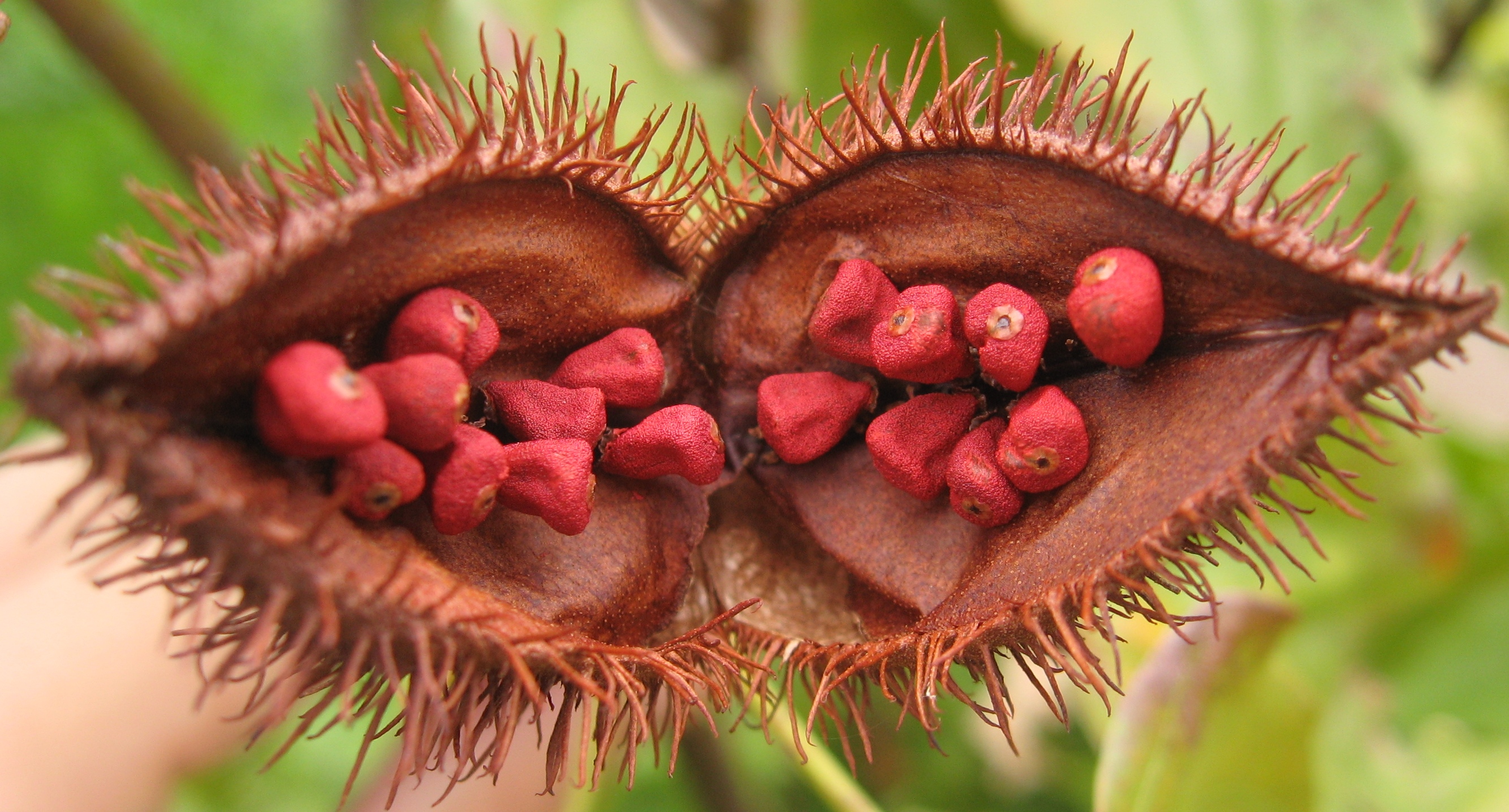
  • Annatto

  • Palm fruit

  • Rice bran

  • Barley

  • Certain grains and plant oils

Different sources contain different combinations of tocotrienols and tocopherols.

What do tocotrienols do?

Like other members of the vitamin E family, tocotrienols can act as antioxidants.

Antioxidants help manage reactions involving unstable molecules commonly called free radicals. Free radicals are produced naturally during energy metabolism and also arise from environmental exposures.

The body needs some reactive molecules for normal signaling and immune activity. The goal is not to eliminate them completely, but to maintain a healthy balance between oxidation and antioxidant protection.

Because vitamin E compounds are fat-soluble, they are especially relevant within lipid-rich environments such as cell membranes.

What does the research show?

Tocotrienols have demonstrated interesting biological activity in laboratory and animal research. Human studies have also investigated their absorption, safety and possible effects on selected health markers.

However, research findings vary according to the form, amount, formulation, study duration and participants involved. Tocotrienols should therefore be viewed as developing areas of nutritional science—not as treatments for disease.

Our approach

Our tocotrienol formula uses delta- and gamma-tocotrienol derived from annatto. We selected this focused composition so the specific tocotrienol forms and botanical source are clear.

[LEARN WHY ANNATTO IS DIFFERENT]

[VIEW PRODUCT DETAILS]

This page is for educational purposes and is not medical advice. These statements have not been evaluated by the Food and Drug Administration. This product is not intended to diagnose, treat, cure or prevent any disease.